
Egil Valentine, Chef der kreativen Cateringfirma Macondo, betont in diesem Artikel im Daily Texan noch einmal die Selbstverständlichkeit: dass es bei der molekulargastronomischen Dekonstruktion nicht nur darum geht, ohne Rücksicht auf den Geschmack Lebensmittel mit Hilfe von „Sodium alginate, Versa Whip 600, gellan, maltodextrin, calcium chloride, lecithin, methyl cellulose and Activa RM“ in Schäume, Gels und Pulver zu verwandeln:
„Molecular gastronomy is deconstruction. You play with the rules. You play with texture, but flavor is the key – I mean it needs to taste good,“ he said. „That’s a danger in molecular gastronomy. Some people use the techniques of molecular gastronomy, and then the mango tastes weird or doesn’t taste like mango anymore, or it tastes like mango with an accent of something weird. Then the food becomes confusion.“
Für Valentine ist es wichtig, die feine Grenze zwischen Kochen als Kunst und Kochen als Unterhaltung ernstzunehmen, da gerade die molekulare Gastronomie oft dazu neigt, zu sehr auf Wow-Effekte zu setzen. (via)
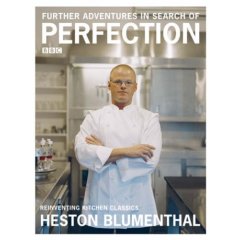 Weihnachten rückt immer näher und Genießer („Foodies“) weltweit fragen sich, welche Bücher sie verschenken wollen und welche sie sich wünschen sollen. Paul Levy vom Guardian hat ein paar Ideen („Food books with few or no recipes are this year’s welcome trend“), zu denen natürlich auch ein molekulargastronomisches Werk gehören muss:
 Zu einem
  Schon ein bisschen älter,
 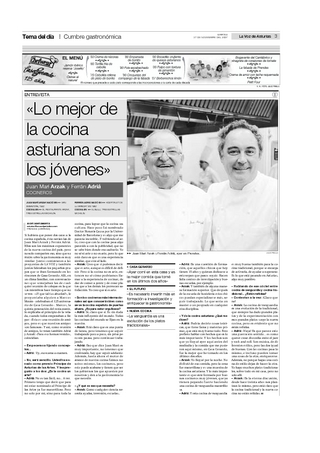 Ein sehr lesenswertes
 Der Autodidakt Sean Wilkinson hat mit seinem molekularen Gericht „Tee on Toast“ den Preis des „