
 Ian Froeb berichtet in der Riverfront Times von einem Besuch in dem kürzlich eröffneten „Red“ in St. Louis, das neben der osteuropäischen Küche in einigen Gängen auch molekulinarische Prinzipien und Zutaten anwendet, wobei diese anscheinend seit der Eröffnung etwas in den Hintergrund gerückt sind
By the time I visited, however, the mint „cloud“ on the curried carrot soup was the only overt example of molecular gastronomy on the menu. In an interview with Sauce magazine, René Cruz explained that this „cloud“ is emulsified with xanthan gum (you know it as the ingredient that makes commercial ice cream so thick and, sometimes, gummy) and then served through a nitrous oxide-charged whipped-cream dispenser.
Interesting, yes, but how does it look and taste? In Red’s low light, the „cloud“ looked more or less exactly like a dollop of crème fraîche atop the soup. The flavor and texture were essentially like mint-flavored whipped cream, but the flavor was quickly subsumed by the aggressively spicy soup – so spicy that I couldn’t detect any carrot at all. It could have been anything in there.
 Auch die Bewohner und Besucher der Löwenstadt müssen nicht auf ihre Schäume, Lüfte und Gels verzichten, denn in der River Valley Road (Edward Voon, beraten von
  Da müsste man doch glatt in Toronto sein, denn der Veranstaltungstext zu
  War es am Ende

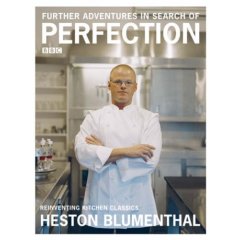 Weihnachten rückt immer näher und Genießer („Foodies“) weltweit fragen sich, welche Bücher sie verschenken wollen und welche sie sich wünschen sollen. Paul Levy vom Guardian hat ein paar Ideen („Food books with few or no recipes are this year’s welcome trend“), zu denen natürlich auch ein molekulargastronomisches Werk gehören muss: